Van Green, Asst Men’s Basketball Coach, Oral Roberts
This video is a segment from one of the 120 Videos in Glazier Drive Basketball.
Explore coaching clinic replays, practice plans, skill development videos, and more. Click here to see all that’s included.
The full video that this clip came from is available on Glazier Drive: Playing With 2 Bigs & Creating an Offense Catered to Your Personnel
KNOW YOUR PERSONNEL
The core coaching philosophy driving every set: understand which players can shoot and which can’t before deciding their role. A non-shooter should cut hard rather than stand and space; a shooter should stay spaced even if it means a “good” big doesn’t get to show off his own scoring. Every action should be built around what your specific roster can actually execute, not just what looks good on paper.
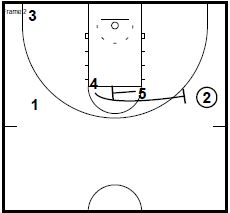
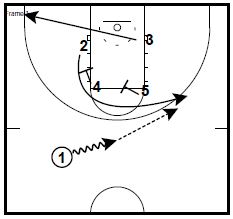
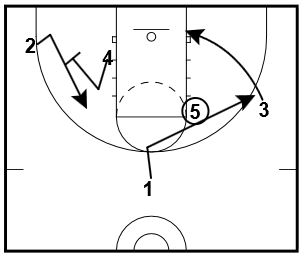
BALL SCREEN “POP” WRINKLE
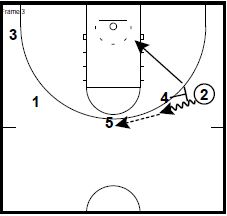
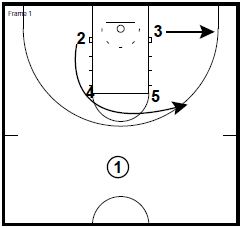
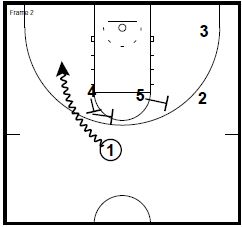
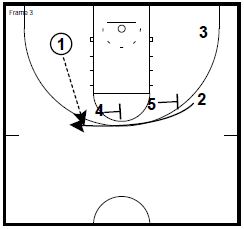
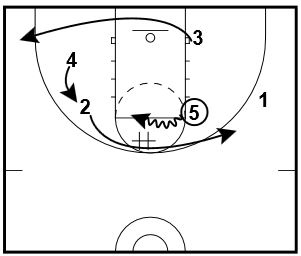
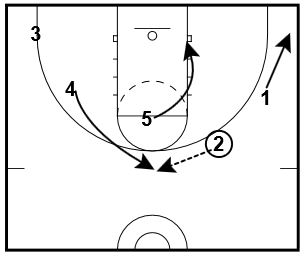
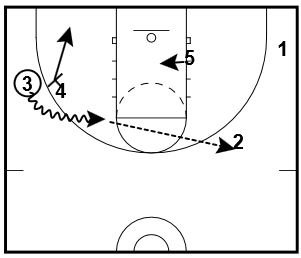
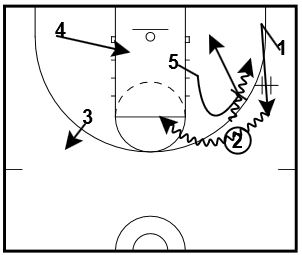
A quick second-half set where the screener pops to the wing instead of rolling. If the man being screened for is a non-shooter, teach “follow the help” — cut hard behind whichever defender helps off him. This puts pressure on the defense to decide whether to tag the roller/popper or stay attached to a primary scorer, and a good screener can spring a big man for a rim finish off the miscommunication.
SCREEN-THE-SCREENER / HANDOFF ACTIONS
Sets built around a pin down into a potential handoff, with a cross screen for a big cutting to the block, plus a shooter releasing off the same action. These “screen off a screen” concepts (referenced as Duke-style actions) give the offense two or three options off one read, and reward a big who consistently sets a great initial screen even when the finish doesn’t fall.
SCOUTING AND FILM STUDY
At the college level, film study covers best/worst offensive and defensive performances to build a full identity on the opponent. Key things to identify: does the opponent hard-hedge or show on ball screens, do they switch everything, or do they play a “goalie” (a low man who camps in the paint because he knows your five can’t shoot)? Once you know the coverage, design actions that specifically punish it, especially valuable for quick-hit plays out of timeouts when there isn’t time for a full walkthrough.
QUICK-SHOW COUNTER (MICHIGAN/GOLDEN STATE EXAMPLE)
When a defense is scouted to quick-show on ball screens, a shooter should stay spaced at the three-point line to punish the show with a catch-and-shoot; a non-shooter in the same spot should instead follow the helper for an easy dump-off dunk. Same read, different personnel-based answer.
HORNS SETS
Horns offense (two bigs at the elbows) is described as extremely hard to scout because of the sheer number of variations — horns flare, empty-side action for a downhill guard, DHOs, reversals into up screens, etc. With enough wrinkles off the same alignment, the defense can’t predict which action is coming. It’s also a good structure for playing two bigs together while maintaining paint spacing.
READING THE DEFENSE / BROKEN PLAY SOLUTIONS
When the initial set doesn’t work, players need answers: a heavy right-hand driver can be manipulated into space against the weaker on-ball defender; bigs should have clear roles (one dives, one spaces) based on whether the paint is loaded; a shooter should be trusted to stay in the corner rather than help. The emphasis is giving players a built-in “if this doesn’t work, then do this” rule rather than leaving them to freelance.
PUNISHING AGGRESSIVE COVERAGES (HOUSTON/PURDUE EXAMPLE)
Against an aggressive, physical coverage team, ball handlers should get into the defender’s body on drives to draw a second defender, then kick out for an open shot — using the defense’s own aggression against them. A big who rolls hard after the pass is released gets excellent offensive rebounding position even if the shot doesn’t fall.
GIVING PLAYERS OPTIONS, NOT JUST FREEDOM
Sets with layered reads (flare screen into a pin down) should give the ball handler a clear first, second, and third option rather than “just go figure it out.” This creates structure and accountability while still allowing reaction to what the defense gives.
FLOPPY ACTION
A simple floppy set (action on both sides of the floor) used to get a shooter a quick catch off a duck-in or curl — a staple, easy-to-teach scoring action.
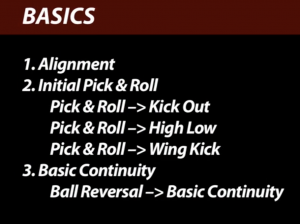
BALL SCREEN CONTINUITY (LOW VS. HIGH)
Two main styles discussed:
- Low continuity (Arizona-style): the screener ducks into the post to stay low and prevent help on the roll, cycling through reversals, DHOs, and ball screens.
- High continuity: the screener trails/lifts first to see how the defense reacts before advancing into the next action; if the big overcommits high, the offense should immediately look to exploit the vacated role.
The larger point: teams with strong ball screen continuity give players a repeatable structure and clear responsibilities, and disciplined teams will bypass broken actions to fall back into their base principles rather than improvising blindly.
OVERALL TAKEAWAY
Every set shown is a vehicle for the same message: tailor actions to personnel, scout the opponent’s tendencies (coverage type, weak defenders, non-shooters), and give players simple, layered reads so they always have an answer when the first option isn’t there.